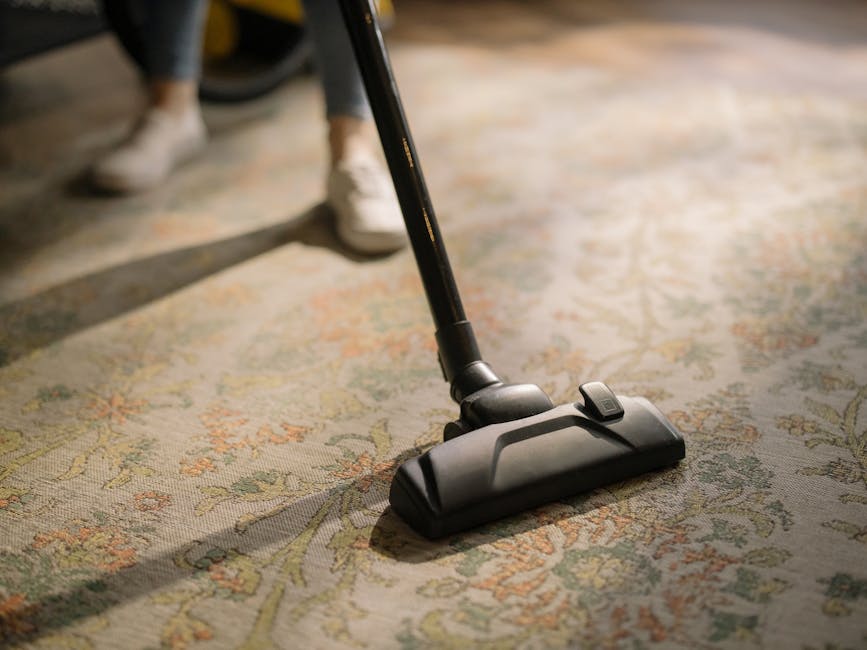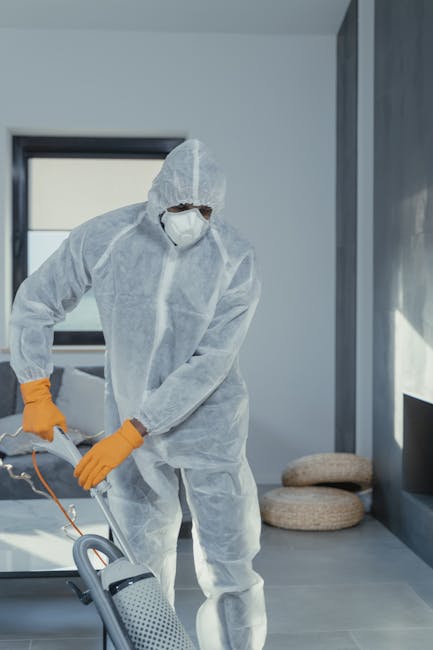
Chipstead Valley curtain cleaning and repair services CR5: a practical guide for cleaner, longer-lasting curtains
If your curtains are looking tired, carrying a faint musty smell, or showing little snags that keep catching your eye, you are not alone. Homes and businesses in Chipstead Valley often put off curtain care for far too long, then wonder why the fabric seems to have lost its shape, colour, or neat finish. Chipstead Valley curtain cleaning and repair services CR5 bring those two jobs together in a sensible way: clean the fabric properly, then sort the small damage before it turns into a bigger problem.
This guide explains what the service involves, how it works, when it makes sense, and what to look for before you book. It also covers repair options, practical care tips, and the sort of mistakes that quietly shorten curtain life. A lot of people assume curtains only need replacing when they start looking bad. Truth be told, with the right cleaning and a few timely repairs, many sets can keep going for years longer.
Why Chipstead Valley curtain cleaning and repair services CR5 matters
Curtains are one of those home features people barely notice until something goes wrong. Then suddenly you spot the dusty hem, the faded patch where the sun has been working away for months, or a torn heading tape that makes the whole pair hang slightly off. In a place like Chipstead Valley, where homes can have busy family life, road dust, pollen, and day-to-day kitchen residue all building up over time, curtains take more punishment than they get credit for.
Cleaning matters because curtain fabric acts like a filter. It catches airborne dust, pet hair, cooking particles, and odours. Repair matters because the small mechanical parts of a curtain - hooks, tapes, seams, linings, and hems - are what keep it hanging neatly. If those start failing, no amount of surface cleaning will make the curtains look right.
There is also a comfort factor. Fresh curtains change the feel of a room in a way that is hard to overstate. They can make a lounge feel lighter, make a bedroom smell cleaner, and make a commercial space look more credible. For landlords, homeowners, and local businesses alike, that can be the difference between a room that feels looked after and one that feels a bit neglected. Not dramatic, just real.
For readers who want a wider view of the fabric care process, the site's curtain cleaning service page gives a useful overview, while upholstery cleaning is helpful to compare because many fabric-care issues are similar across curtains, sofas, and soft furnishings.
How Chipstead Valley curtain cleaning and repair services CR5 works
Good curtain care starts with inspection, not with spraying something and hoping for the best. A proper service usually begins by checking the fabric type, construction, lining, existing stains, colour fastness, and any visible damage. That first look is important because velvet, silk blends, blackout linings, synthetics, and cotton curtains all respond differently to moisture, heat, and agitation.
In many cases, the curtains can be cleaned while hanging, especially where the fabric and condition suit that approach. In other cases, they are carefully taken down, cleaned off-site, and rehung after drying and finishing. Repairs can happen either before cleaning, after cleaning, or as part of the same visit, depending on what is needed.
The repair side tends to cover the little but crucial things: restitching hems, fixing split seams, replacing hooks, mending linings, repairing heading tape, tightening loose pleats, and dealing with edge fraying. If a curtain is dragging on the floor in one corner or hanging oddly, the issue is often mechanical rather than cosmetic. And yes, that means it can usually be corrected without a full replacement.
A careful service should also account for stain treatment. Water marks, splash marks, nicotine residue, pet odour, and greasy kitchen film all need different handling. The safer route is targeted stain treatment, not a one-size-fits-all soak. If you need more focused help with marks, the stain removal service is relevant, and for pet-related issues, pet stain and odour removal can be a useful companion service.
In a well-run job, the cleaner should explain what can realistically be improved and what cannot. That honesty matters. Sun-faded fabric, for example, cannot be "cleaned back" to its original colour, and brittle old lining may be repairable only up to a point. Better to know that upfront than to be sold a miracle. We all like a good result, but not a fairy tale.
Key benefits and practical advantages
The main benefit is obvious: curtains look cleaner. But there are several quieter advantages too, and those often matter more in everyday life.
- Better appearance: Clean curtains improve the room instantly, especially around daylight where dust and dullness show up most.
- Longer fabric life: Removing embedded dirt reduces wear on fibres, so the material stays stronger for longer.
- Improved fit and drape: Repairs help curtains hang properly, which is half the battle with a polished finish.
- Odour control: Kitchens, pets, smoke, and general household smells can cling to fabric more than people realise.
- Healthier-feeling space: Dust-heavy curtains can make rooms feel stale; cleaning helps the room feel fresher and lighter.
- Cost control: Repairing a heading tape or seam is usually far cheaper than replacing an entire set.
There is also a practical benefit in busy homes. If you have children, pets, or a room that gets strong afternoon sun, curtains can deteriorate faster than expected. A cleaning-and-repair approach keeps things in step with real life instead of waiting until the damage is obvious and annoying. A small tear today is tomorrow's full split. You know how that goes.
If your curtains sit within a broader fabric-care plan for the home, pairing them with rug cleaning or sofa cleaning can help the whole room feel genuinely refreshed, not just one part of it.
Expert summary: The best curtain care is not just about making fabric look fresh for a day. It is about protecting the structure, improving the hang, and preventing minor wear from becoming expensive replacement work.
Who this is for and when it makes sense
This service is a strong fit for homeowners who notice dust, dullness, or small damage but do not want to replace curtains yet. It is also sensible for landlords preparing a property between tenancies, where presentation matters but budgets are still worth respecting. Businesses in Chipstead Valley - think offices, salons, guest rooms, clinics, or hospitality settings - may need a more regular approach because curtains in public-facing spaces often show wear sooner.
It makes sense when:
- the curtains still fit the room well but look tired;
- the fabric is structurally sound, with only minor repairs needed;
- there are odour or dust concerns but not severe water or fire damage;
- the lining, tape, or hems have started to fail;
- you want to delay replacement while keeping standards high.
It may not be the best option when the fabric is badly brittle, heavily sun-damaged, or structurally collapsing across large sections. At that point, honest advice should lean toward replacement or partial remaking. That may sound less exciting, but it saves headaches later.
Commercial users often benefit from combining curtain work with commercial carpet cleaning or even a broader steam carpet cleaning schedule if the whole space needs attention. A room tends to look as clean as its dirtiest soft furnishing, annoying but true.
Step-by-step guidance
If you are planning Chipstead Valley curtain cleaning and repair services CR5, this is the simplest way to think about the process from start to finish.
- Assess the curtains carefully. Look for dust, odours, staining, broken hooks, loose stitching, sun fading, or sagging. Note whether both curtains are affected or just one side.
- Check the fabric label or construction. If you know the material, share it. If you do not, a good technician can usually identify the likely fibre family and advise accordingly.
- Decide what needs cleaning and what needs repair. Some issues are cosmetic, some are structural. A hem that has come loose needs a different approach from a light dusting of fabric.
- Choose the safest cleaning method. This depends on fibre, lining, and finish. Over-wetting or using an unsuitable method can distort folds, shrink fabric, or cause water marks.
- Carry out targeted repairs. Fix the hanging system, seams, linings, and hems so the curtain drapes properly after cleaning.
- Dry and finish correctly. Curtains need proper drying time and careful hanging to prevent odour, ripple marks, or distortion.
- Inspect the final result. Check that both panels hang evenly, the fabric looks balanced, and any repaired areas blend in as well as possible.
One thing people often miss: curtains are judged at window height. A repair that looks acceptable on a table may still stand out when the fabric is hanging in daylight. That is why finishing matters so much. A neat press, correct pleating, and balanced hanging can make a repair look far better than the stitching alone would suggest.
Expert tips for better results
The best results usually come from a few sensible habits, not from fancy tricks.
- Act early on small damage. A loose hem or single split seam is easier to fix before it widens.
- Be honest about stains. If the mark is old, set, or caused by heat, say so. It helps set realistic expectations.
- Keep spare hooks and fixings. It sounds minor, but missing hooks or worn gliders can spoil the whole look.
- Match the repair method to the fabric. Lightweight sheers, interlined curtains, and blackout-lined curtains do not behave the same way.
- Ask about rehanging. Poor rehanging can undo perfectly good cleaning work. Bit of a shame, that.
- Control dust between services. Gentle vacuuming with a soft brush attachment can help maintain the finish.
Here is a small but useful observation from real-life jobs: the curtains that last longest are usually the ones that have been cared for before a problem becomes visible from across the room. No drama, no panic, just routine maintenance. That's the quiet win.
If the same room contains fabric furniture, it can be worth looking at mattress cleaning or carpet cleaning too, especially where dust or allergens seem to build up quickly.
Common mistakes to avoid
Most curtain problems come from well-meant but clumsy shortcuts. The aim here is simple: avoid making a small issue worse.
- Using the wrong cleaning method at home. Washing or spot-cleaning without checking fabric suitability can cause shrinkage, bleeding, or distortion.
- Ignoring the lining. The face fabric may look okay while the lining is failing underneath.
- Pulling on a snag. That tempting little tug can turn a tiny thread problem into visible damage.
- Leaving repairs too long. A worn heading tape will not fix itself. Sadly, curtains are not that cooperative.
- Hanging curtains back before they are ready. Damp fabric can smell musty and develop ripples.
- Expecting faded fabric to be restored. Cleaning improves cleanliness, not lost dye.
Another common mistake is choosing speed over suitability. A fast refresh is fine if the curtains are robust and lightly soiled, but delicate fabrics need slower, more considered treatment. It is better to wait an extra day and get the result right than rush and regret it for months.
Tools, resources and recommendations
A good curtain cleaning and repair job usually relies on a fairly modest toolkit, but each item has to be used with care. At home, the most useful tools are often the simplest:
- a soft brush vacuum attachment for light maintenance;
- a lint roller for surface hair and dust;
- spare hooks and curtain rings;
- small scissors for loose threads, used carefully;
- fabric-safe stain treatment used only where suitable;
- a steamer or pressing method approved for the fabric type;
- basic sewing supplies for emergency minor fixes.
For service planning, it helps to think in terms of fabric condition, not just cleanliness. A curtain can be spotless and still hang badly. Likewise, it can hang beautifully but carry hidden dust and odour. Both sides matter.
If your project involves more than curtains, the most relevant service pages on this site are curtain cleaning, upholstery cleaning, and stain removal. Used together, they give a much more complete fabric-care result than tackling one item in isolation.
Law, compliance, standards, or best practice
Curtain cleaning and repair is not usually a heavily regulated service in the way gas or electrical work is, but there are still sensible UK best practices to follow. Providers should work safely, handle chemicals responsibly, and avoid damaging property or fabric through poor technique. For customers, the main expectation is straightforward: the service should be honest, cautious, and suitable for the fabric in question.
Where cleaning products are used, safe handling matters. A professional should know how to reduce risk around children, pets, and sensitive materials, and should be clear about drying times and any temporary odours. That is basic good practice, not a bonus.
Insurance is another practical point. If curtains are being removed, cleaned off-site, or repaired near fittings and windows, there is always some small risk of snagging, marking, or accidental damage. Checking that a provider has appropriate cover is just sensible. The site's insurance and safety information is worth reviewing if you want reassurance on that front, and the health and safety policy gives further context on safe working expectations.
Best practice also includes respecting household privacy, protecting furniture and floors during the job, and giving realistic expectations about what repair can and cannot achieve. That may sound obvious, yet it is exactly where good service stands apart from casual guesswork.
Options, methods, or comparison table
When people compare curtain care options, the real choice is usually between doing nothing, cleaning only, repair only, or a combined service. The right answer depends on the state of the curtains, your budget, and how visible the issue is in the room.
| Option | Best for | Pros | Limitations |
|---|---|---|---|
| Do nothing | Very light dust or a temporary issue | No immediate cost | Problems usually get worse, especially damage and odour |
| Cleaning only | Fabric that is dirty but structurally sound | Improves freshness and appearance | Won't fix tears, sagging, or failed lining |
| Repair only | Small damage with little soil build-up | Restores hanging and structure | Won't solve dust, marks, or smell |
| Cleaning plus repair | Most situations where curtains look tired but are still salvageable | Best balance of appearance, value, and longevity | May cost more upfront than a single service |
In many real homes, the combined option is the most sensible. It is the one that makes the curtains look and feel properly finished, not half-done. And let's face it, once you notice one crooked hem, you cannot unsee it.
Case study or real-world example
A typical local scenario might look like this: a family room in Chipstead Valley has lined curtains that are still attractive overall, but the lower edges have collected dust, one seam has started to open near the side return, and the fabric has picked up a faint cooking smell from an open-plan kitchen. The curtains are not ruined. They are just overdue for a proper refresh.
In that kind of job, a careful technician would inspect the material, decide whether on-site or off-site cleaning is safer, and then repair the seam and any loose heading points before rehanging. Once cleaned and finished properly, the room can feel noticeably better. Light moves through the fabric more cleanly, the panel hangs square again, and the whole space looks more intentional.
The useful part of a real example like this is not the drama. It is the modest outcome: a room that feels calmer, less dusty, and more cared for, without replacing the curtains. That is usually the sweet spot.
Practical checklist
Use this quick checklist before you book or start work.
- Check the curtain fabric type, if known.
- Look for tears, loose hems, sagging tape, or missing hooks.
- Note any stains, smells, sun fade, or water marks.
- Decide whether the curtains can stay hanging or need removal.
- Ask what repair work is possible alongside cleaning.
- Confirm how drying and rehanging will be handled.
- Ask about safe treatment for linings, blackout backing, or delicate fibres.
- Make sure the final hang will be checked for balance and symmetry.
- Review relevant service and safety information, including pricing and quotes and payment and security, before proceeding.
- Consider whether adjoining soft furnishings also need attention.
If you tick most of those boxes, you are already ahead of the game. Small preparation now tends to save time later. Simple, but it works.
Conclusion
Chipstead Valley curtain cleaning and repair services CR5 are about more than making fabric look presentable. They protect the shape, extend the life of your curtains, improve the feel of a room, and help you avoid replacement when the fabric still has plenty left to give. The best results come from matching the cleaning method to the material, repairing small faults before they spread, and treating the curtains as part of the room's overall condition rather than an isolated job.
If your curtains are dusty, uneven, or just not hanging the way they used to, this is one of those tasks worth dealing with sooner rather than later. A little care goes a long way, and the difference is often easier to notice than to explain.
Get a free quote today and see how much you can save.
For further company information, you can also review about us, terms and conditions, and recycling and sustainability. It is the kind of background detail that helps people feel properly comfortable before they book.
Frequently Asked Questions
What does curtain cleaning and repair usually include?
It usually includes fabric assessment, dust and stain removal, treatment for odours where suitable, and repair work such as hems, seams, tape, hooks, or lining issues. The exact scope depends on the curtain type and condition.
Can all curtains be cleaned safely?
No, not all curtains should be treated the same way. Delicate fabrics, blackout linings, and older materials need more care. A proper inspection helps determine whether on-site cleaning, off-site cleaning, or a more limited approach is safest.
Is it better to repair curtains before or after cleaning?
It depends on the damage. Minor structural repairs may be easier before cleaning, while final detailing and reinforcements can happen after the fabric is fresh and dry. A good technician will judge the order based on the job.
How do I know if my curtains are worth repairing?
If the fabric is still sound, the colour is acceptable, and the damage is localised, repair is often worthwhile. If the material is badly brittle, massively faded, or extensively torn, replacement may be the more realistic option.
Will curtain cleaning remove all stains?
Not always. Fresh marks are usually easier to improve than old, set-in stains. Some stains may lighten but not disappear completely, especially if they have been heat-set or left for a long time. Honest expectation setting matters here.
Can curtain repairs be made invisible?
Sometimes they can be very discreet, especially on hems, seams, and lining fixes. But on patterned or delicate fabrics, a repair may remain slightly visible. The goal is usually neat, durable, and as unobtrusive as possible.
How often should curtains be cleaned?
That depends on room use, dust levels, pets, and cooking activity. Heavily used or sun-exposed curtains may need more frequent attention than spare-room curtains. The best schedule is the one based on real conditions, not guesswork.
Do repaired curtains need special care afterwards?
Yes. Gentle vacuuming, careful opening and closing, and avoiding rough handling around hooks or pleats will help preserve the repair. If the fabric has been freshly cleaned, proper drying and hanging are especially important.
What if my curtains have pet odours as well as damage?
That is quite common in family homes. A combined cleaning and repair approach is usually best, and targeted odour treatment may help where fabric type allows. The main point is not to mask the smell, but to treat the source properly.
Are curtain cleaning services useful for businesses too?
Yes. Offices, hospitality spaces, care settings, and client-facing rooms often benefit a lot from cleaned, well-repaired curtains because presentation and hygiene both matter. It is one of those small upgrades that makes a place feel more professional straight away.
What should I ask before booking?
Ask what fabrics they handle, whether repairs are included or separate, how drying works, what happens if a stain cannot be removed completely, and whether they have suitable safety and insurance practices. Clear answers are usually a good sign.
Where can I find more related fabric care options?
For closely related services, look at sofa cleaning, rug cleaning, and mattress cleaning. They are often part of the same maintenance routine in a well-kept home.