Coulsdon South station upholstery cleaning for rental properties
If you manage a rental near Coulsdon South station, upholstery can go from "fine" to visibly tired rather quickly. One tenant's takeaway night, a few muddy coats by the hall chair, a pet in the living room, and suddenly the sofa is doing more talking than the decor. Coulsdon South station upholstery cleaning for rental properties is not just about making fabric look nicer for photos. It helps landlords, letting agents, and tenants keep furniture presentable, reduce odours, and protect the value of the home between tenancies.
Done well, it is a practical part of end-of-tenancy preparation, mid-tenancy maintenance, and void-period refreshes. Done badly, it can leave water marks, lingering smells, or fabric damage. This guide walks through what the service involves, when it makes sense, how to choose the right method, and what to watch out for in a rental setting. A bit of care goes a long way, truth be told.
Contents
- Why Coulsdon South station upholstery cleaning for rental properties Matters
- How Coulsdon South station upholstery cleaning for rental properties Works
- Key Benefits and Practical Advantages
- Who This Is For and When It Makes Sense
- Step-by-Step Guidance
- Expert Tips for Better Results
- Common Mistakes to Avoid
- Tools, Resources and Recommendations
- Law, Compliance, Standards, or Best Practice
- Options, Methods, or Comparison Table
- Case Study or Real-World Example
- Practical Checklist
- Conclusion
- Frequently Asked Questions
Why Coulsdon South station upholstery cleaning for rental properties Matters
Rental homes live a harder life than owner-occupied homes. That is just the reality. Furniture is used by more people, often with different habits, different cleaning standards, and different levels of care. Near a busy station area, you also tend to see higher foot traffic, more day-to-day wear, and sometimes quicker turnaround expectations between occupants.
Upholstery cleaning matters because fabric furniture is one of the first things people notice when they walk into a property. A sofa with dark arm rests, a chair holding onto food smells, or a dining bench with old drink marks can make a room feel less cared for even if everything else is spotless. For landlords and agents, that can affect viewings, inspections, and perceived value. For tenants, it can be the difference between a relaxed handover and a dispute about cleanliness.
There is also a hygiene angle. Upholstery traps dust, skin flakes, pollen, pet dander, and everyday grime. You may not see it at first glance, but you will notice the smell, the dullness, or that slightly sticky texture on well-used arms and headrests. To be fair, people often ignore fabric until it starts to look a bit apologetic.
For rental properties, good cleaning is about presentation, protection, and practicality. It helps furniture last longer, supports a better tenant experience, and reduces the need for premature replacement. That is especially useful where the furnishings are part of the tenancy inventory.
Expert summary: In rental settings, upholstery cleaning is most valuable when it is treated as preventative maintenance rather than a last-minute rescue job. The earlier you address stains, odours, and general build-up, the better the result usually is.
How Coulsdon South station upholstery cleaning for rental properties Works
Professional upholstery cleaning usually follows a structured process, but the exact method depends on the fabric type, the condition of the item, and the kind of marks present. Some pieces respond well to hot water extraction, while others need low-moisture or specialist spot treatment. The right approach matters because a wool-blend armchair and a synthetic rental sofa do not behave the same way at all.
Typical process
- Inspection: The cleaner checks fabric type, seams, existing wear, colour fastness, and any problem areas such as stains or odours.
- Pre-treatment: Spots and traffic areas are treated with a suitable solution to loosen dirt and break down residues.
- Agitation or brushing: Light mechanical action helps the product reach into fibres without damaging the material.
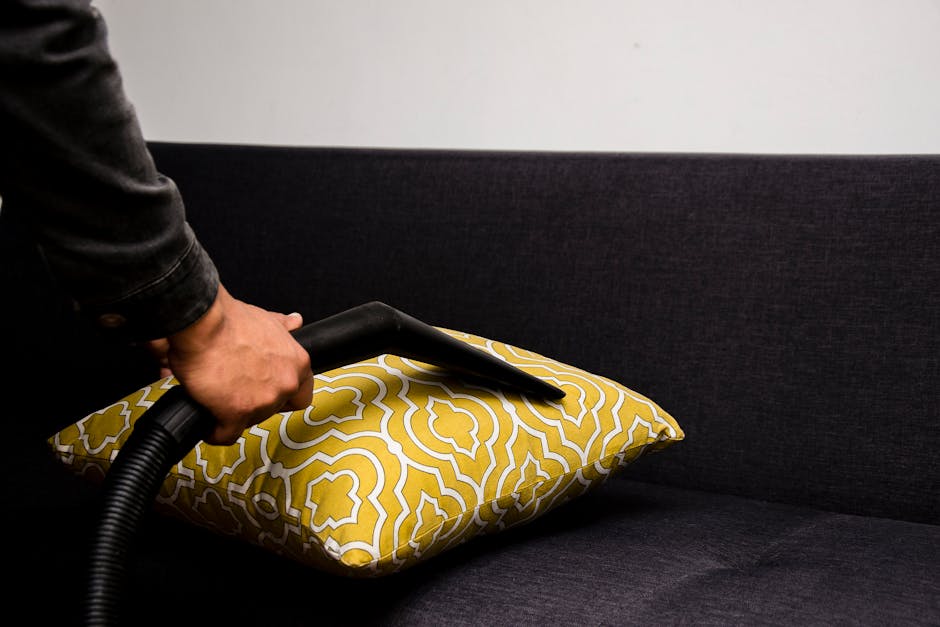
- Deep cleaning: Depending on the fabric, the cleaner may use steam-based extraction or a lower-moisture method.
- Extraction and drying: Dirt and cleaning solution are removed as far as possible, then the fabric is left to dry properly.
- Final grooming: The pile is lifted and the item is checked for missed marks, wet patches, or residue.
In rental properties, this process may be adjusted to suit move-out schedules. If the property is due for new photos the same day, dry time becomes a big deal. Nobody wants a lovely-looking sofa that is still damp at 4 p.m. and smelling faintly of detergent.
Another point worth noting: not every piece of upholstery should be treated the same way. Velvet, linen, microfibre, cotton blends, and leather-look materials all have different tolerances. A careful cleaner will test a small area first where needed. That sounds basic, but it is where a lot of DIY mistakes start.
Key Benefits and Practical Advantages
For rental properties near Coulsdon South station, the benefits are not abstract. They show up in day-to-day management and at the handover stage.
- Better first impressions: Fresh upholstery makes living spaces look brighter and more cared for.
- Odour reduction: Helpful after pets, cooking, smoking residue, or long lets.
- Longer furniture life: Regular cleaning slows the build-up of abrasive dirt in the fibres.
- Improved hygiene: Removes trapped dust and common allergens from fabric surfaces.
- Lower dispute risk: Clean, documented condition helps with check-in and check-out expectations.
- Better marketing photos: Sofas and chairs photograph better when the fabric is clean and evenly coloured.
- More comfortable living space: Tenants notice when furniture feels fresher, not just looks fresher.
There is also a subtle financial benefit. Replacing a sofa or armchair is expensive, and not always necessary. If a piece is structurally sound but looks grubby, a proper clean may restore it well enough to stay in service. That is especially useful in furnished rentals where every item has to earn its keep.
And yes, clean upholstery can support a smoother checkout. If the inventory says "good condition" and the sofa comes back with visible staining, nobody has a fun afternoon. Clean fabric keeps those conversations shorter.
Who This Is For and When It Makes Sense
This kind of cleaning is not only for major messes. In practice, it suits several rental scenarios.
Landlords
If you let a furnished flat or house, upholstery cleaning is sensible before new tenants move in, after a long tenancy, or when furniture starts to look tired. It is a straightforward way to protect your stock without replacing items too early.
Letting agents
Agents often need fast, reliable turnaround between tenancies. Upholstery cleaning can be part of a wider refresh alongside carpet cleaning and stain removal. It helps a property present consistently across viewings and inspections.
Tenants
Tenants may arrange cleaning themselves if the tenancy agreement requires them to return items in a reasonable state, or simply because they want a nicer home. If you have lived with one stubborn patch of red wine for months, you will know the appeal.
Short lets and mid-term rentals
These properties are used more frequently and often need cleaning more often. Upholstery in a short-let can build up dirt quickly, especially on sofa arms, scatter cushions, and dining seating.
Pet-friendly rentals
Pet hair, wet-dog smell, and small accidents can sink into fabric. In these homes, upholstery cleaning often goes hand in hand with pet stain and odour removal for the best result.
When does it make sense? Usually when the furniture is visibly dull, smells stale, has spills or marks, or needs resetting for new occupants. If the item is badly damaged, professional advice is still worth getting before you decide whether to clean or replace it.
Step-by-Step Guidance
If you are arranging upholstery cleaning for a rental property, a simple plan keeps things on track. No drama, no guessing.
- Identify the items that need attention. Sofas, armchairs, dining chairs, ottomans, headboards, and fixed seating are common candidates.
- Check the fabric labels or care notes. If you know the material, you can avoid unsuitable treatment.
- Photograph the current condition. This is useful for inventory records and for tracking improvement after cleaning.
- Separate cleaning priorities. Tackle stained areas, odours, and high-contact zones first.
- Arrange access and drying time. Make sure there is room to work and enough time for proper drying.
- Ask about the method. A good cleaner should explain whether they will use low-moisture cleaning, extraction, or a specialist stain approach.
- Prepare the room. Remove small items, cushions where appropriate, and fragile objects near the furniture.
- Inspect the result before sign-off. Check the arms, front edges, cushions, and seams in daylight if you can.
A small practical note: when a tenant is moving out, it is worth getting the cleaning done before the final inventory check if possible. That way you are not comparing old photos in half-light while everyone is rushing for the key drop. Been there, and it is never as calm as it sounds on paper.
Expert Tips for Better Results
Here is where rental-specific experience really helps. Upholstery cleaning is not only about the machine; it is about judgement.
- Act on stains quickly. Older marks bond more tightly to fibres. Fresh spills are usually easier to shift.
- Use the right method for the fabric. Heavy wet cleaning on delicate materials can create rings, shrinkage, or texture changes.
- Focus on the high-touch zones. Sofa arms, headrests, and seat fronts often hold the most body oils and grime.
- Do not saturate the fabric. More water is not automatically better. Sometimes less is cleaner.
- Ventilation matters. Open windows where possible and allow proper air flow after cleaning.
- Combine services when sensible. If the property needs carpets, rugs, or curtains refreshed too, joining them up can be more efficient. For example, sofa cleaning and curtain cleaning often improve the feel of a room together.
- Keep a record. A short note and a few photos can help with future maintenance and inventory discussions.
One extra tip from everyday practice: if a room smells clean but looks dull, people still read it as "not quite right." Fabric brightness and odour both matter. That combination is what changes a room from merely acceptable to properly welcoming.
Common Mistakes to Avoid
Some upholstery problems are created by rushing. Others come from trying to save a few quid and making a much bigger issue. Let's not do that.
- Using the wrong cleaner: Bleach, harsh detergents, or random supermarket sprays can damage fibres and leave residue.
- Over-wetting the fabric: This can cause long drying times, watermarking, or hidden mildew risks.
- Ignoring odour sources: Surface cleaning alone will not always remove smell if the padding holds contamination.
- Skipping a patch test: Colour loss can happen fast on some fabrics.
- Cleaning only the visible stain: The surrounding area may have a wider dirt halo that needs treatment too.
- Forgetting about the tenancy timeline: Cleaning after a check-out inspection can make disputes messier than they need to be.
- Assuming all upholstery is the same: It really, really isn't.
There is also a business mistake that shows up often in rentals: treating upholstery as a one-off crisis response rather than part of property upkeep. A planned clean every so often can prevent the sort of wear that starts to look permanent.
Tools, Resources and Recommendations
Most readers do not need a full cleaning toolkit, but it helps to know what good service looks like and what the cleaner may use.
| Method | Best for | Strengths | Limitations |
|---|---|---|---|
| Hot water extraction | Durable fabric sofas, chairs, and general soil removal | Deep cleaning, strong dirt removal, good for rental resets | Longer drying time, not ideal for delicate materials |
| Low-moisture cleaning | Quicker turnaround properties and moisture-sensitive fabrics | Faster drying, lower risk of saturation | May be less effective on heavy soiling |
| Targeted stain treatment | Spills, spots, and localised marks | Useful for problem areas, can be combined with full clean | Not always enough on its own for overall freshness |
| Odour-focused cleaning | Pet smells, stale rentals, long-vacant rooms | Improves comfort and presentation | Results depend on how deeply the odour has penetrated |
If you are looking at a wider property refresh, it can make sense to bundle upholstery work with stain removal, rug cleaning, or steam carpet cleaning. That is especially true in furnished rentals, where all the soft furnishings influence the same first impression.
For service planning, useful things to ask about include drying time, fabric suitability, insurance, and how the cleaner handles delicate or antique items. If you want to compare service options or get a clearer idea of what is included, the pricing and quotes page is a sensible place to start.
Law, Compliance, Standards, or Best Practice
In the UK rental sector, cleaning expectations are often shaped by the tenancy agreement, inventory check-in records, and general standards of reasonable care. That means the practical benchmark is usually what was agreed at the start of the tenancy, plus fair wear and tear. It is not always a black-and-white thing, which is annoying, but true.
For landlords and agents, the important best-practice points are straightforward:
- Keep inventories clear: Condition notes and photos help avoid misunderstandings later.
- Use appropriate cleaning methods: Fabric damage caused by poor treatment can become a liability issue.
- Be clear about expectations: Tenancy documents should avoid vague wording where possible.
- Hold appropriate insurance: It is sensible to understand what your policy covers for accidental damage, property access, and service work.
- Work with insured providers: A professional cleaner should be able to explain safety and insurance arrangements clearly.
If you want a closer look at service standards and safety-related details, it is worth reviewing the site's health and safety policy and insurance and safety information. For payment confidence, payment and security explains how transactions are handled. These are the kinds of details that matter more than people expect, especially when you are booking on a tight turnaround.
Best practice also includes being careful with disposal and product use. If sustainability matters to you, the company's recycling and sustainability page is worth a look. Small things add up.
Options, Methods, or Comparison Table
Choosing the right upholstery cleaning approach depends on the property, the fabric, and the deadline. Here is a simple comparison to help.
| Option | Best Use | What It Feels Like in Practice | Good Choice When |
|---|---|---|---|
| DIY spot cleaning | Light marks on sturdy fabric | Cheap and quick, but easy to get wrong | You have one small spill and know the fabric is suitable |
| Professional general upholstery clean | Standard rental refresh | Balanced, dependable, and better for overall appearance | The sofa looks tired, slightly marked, or needs resetting for new tenants |
| Specialist stain or odour treatment | Pet accidents, food stains, smoke odour, or persistent marks | More targeted and careful, sometimes slower | A normal clean would not be enough on its own |
| Full property soft-furnishing refresh | Furnished rentals with multiple items needing attention | Most complete, but needs more planning | You want a consistent finish across sofas, rugs, curtains, and carpeted areas |
For many rental properties, the middle option is the sweet spot. It gives you a meaningful improvement without chasing perfection that the furniture simply cannot deliver. Sometimes you just need "clean, fresh, and ready," not showroom fantasy.
Case Study or Real-World Example
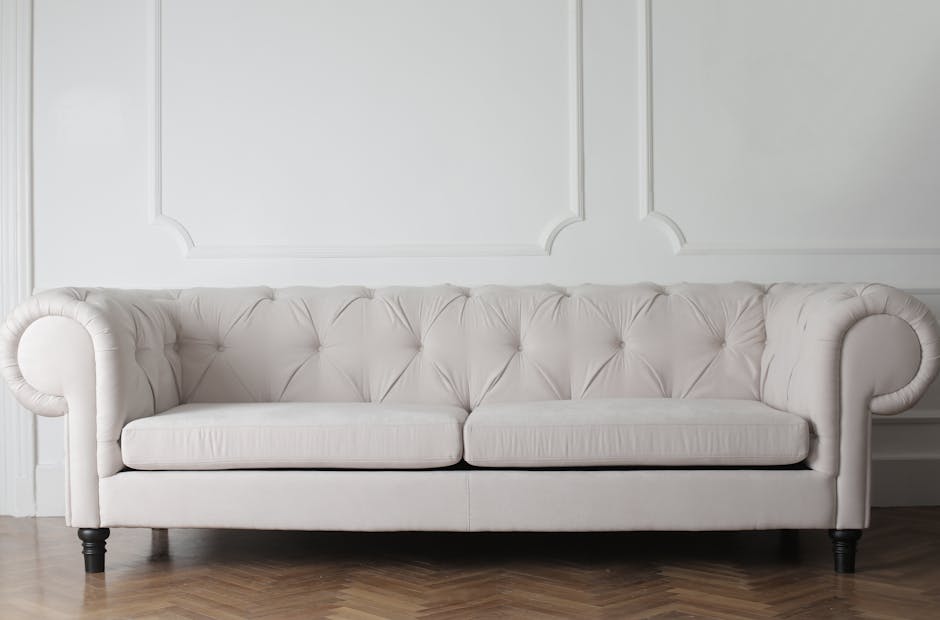
Picture a furnished two-bedroom flat near Coulsdon South station at the end of a tenancy. The living room sofa has arm marks, a faint food spill on one cushion, and a slightly stale smell that only really appears when the windows are closed. Nothing dramatic, but enough that the room feels heavy.
Instead of replacing the sofa, the landlord arranges upholstery cleaning before the new marketing photos are taken. The cleaner inspects the fabric, treats the food mark, works on the high-contact areas, and allows proper drying time with good ventilation. The result is not magic. Let's be honest, no cleaner can turn a tired sofa into a new one. But the room looks brighter, smells fresher, and the furniture no longer distracts from the space.
That sort of result is common in rentals. The win is rarely perfection. It is usually a noticeable lift in presentation, a better feel for viewings, and fewer awkward questions at handover. Small improvement, big difference.
Practical Checklist
Use this checklist before booking or carrying out upholstery cleaning in a rental property:
- Confirm which items need cleaning.
- Check fabric type, label, or previous cleaning notes.
- Photograph current condition for records.
- Note visible stains, odours, and wear areas.
- Make sure the room can be accessed easily.
- Allow enough drying time after the clean.
- Ask whether the method suits the upholstery material.
- Check whether stain treatment or odour removal is needed as well.
- Review insurance and safety information if booking a service provider.
- Inspect the result in good light before closing out the job.
If you are managing a move-out, it can also help to coordinate with other soft-furnishing services such as upholstery cleaning and carpet cleaning together so the property feels consistent from room to room.
Conclusion
Coulsdon South station upholstery cleaning for rental properties is one of those jobs that quietly does a lot of heavy lifting. It improves presentation, supports hygiene, protects furniture, and helps create a calmer handover between occupants. In a rental market where first impressions matter and time is often tight, that is not a small thing.
The key is to treat upholstery as part of the property's overall upkeep, not an afterthought. Choose the right cleaning method, allow proper drying, keep good records, and avoid shortcuts that damage the fabric. Do that, and the furniture will usually reward you by lasting longer and looking far better than you expected.
If you are planning a refresh, a move-out clean, or simply want to bring a lived-in rental back to a more welcoming standard, start with the items that people use most. The sofa, the armchairs, the dining seating. That is where the room quietly tells its story.
Get a free quote today and see how much you can save.
Frequently Asked Questions
How often should rental property upholstery be cleaned?
It depends on how heavily the property is used, whether it is furnished, and whether pets or children live there. Many landlords treat it as part of end-of-tenancy or periodic maintenance rather than a fixed schedule, but high-use rentals often benefit from more regular attention.
Is upholstery cleaning worth it before new tenants move in?
Yes, in many cases. A fresh sofa or chair can make a property feel more welcoming and can improve how the whole room presents. It is often cheaper than replacement and more effective than trying to mask smells with air fresheners.
Can upholstery cleaning remove pet odours?
Often it can reduce them significantly, especially when the smell is on the fabric surface. Strong or long-standing odours may need a more targeted approach, and in some cases the padding underneath is part of the issue.
Will cleaning damage delicate fabrics?
It can if the wrong method is used. That is why fabric identification, a test patch, and the right moisture level matter so much. Delicate upholstery should always be treated cautiously.
How long does rental upholstery take to dry?
Drying time varies by material, room temperature, airflow, and the cleaning method used. Low-moisture methods dry faster, while deeper extraction cleaning may take longer. Good ventilation makes a noticeable difference.
Should I clean the sofa myself or hire a professional?
DIY cleaning can work for very light marks, but it is easy to over-wet the fabric or leave residue behind. For rental properties, professional cleaning is usually the safer choice because the finish tends to be more even and more predictable.
Can upholstery cleaning help with end-of-tenancy disputes?
It can help by showing that the property was maintained properly and by improving the recorded condition of the furniture. Clear photos and good inventory notes are still important, of course.
What types of furniture can be cleaned?
Sofas, armchairs, dining chairs, ottomans, benches, footstools, and some headboards are all commonly cleaned. The exact method depends on the fabric and construction of the item.
Does upholstery cleaning remove all stains?
Not always. Some stains set permanently, especially if they have been left for a long time or have reacted with the fabric. A good cleaner should explain what is likely to improve, what may lighten, and what may remain visible.
Is upholstery cleaning safe for furnished rentals with children or pets?
It can be, provided suitable products and methods are used and the furniture is allowed to dry properly before normal use resumes. If you are concerned about a particular material or sensitivity issue, ask about the cleaning approach in advance.
What else should I clean at the same time?
In a furnished rental, carpets, rugs, curtains, and mattresses are often the most sensible add-ons if they are showing wear. Cleaning several soft furnishings together can make the whole property feel refreshed rather than partly improved.
How do I get a proper quote without overpaying?
Provide clear details: number of items, fabric type if known, any stains, pet odours, access issues, and whether you need a fast turnaround. That helps reduce guesswork and usually leads to a more accurate quote.
For landlords, agents, and tenants alike, good upholstery care is one of those quiet wins that keeps a rental feeling looked after. It is practical, it is visible, and when done properly, it simply makes life easier.